9+ curated guides • Updated September 2025
Look past the sparkle in your jewellery box. That tarnished locket from your grandmother, the cheap friendship bracelet from college, the first 'real' pearls you bought yourself—these aren't just objects. They are silent storytellers, and if we don't give them a voice, their history will be lost forever. As a personal historian, I've seen countless families lose their most intimate histories because the stories tied to physical objects were never recorded. Your jewellery collection isn't a measure of wealth; it's a library of your life, with each piece a bound volume waiting to be read. This guide is your key to unlocking that library, transforming inert metal and stone into a living, breathing testament to your family's journey.
We tune in for the shocking betrayals and scandalous secrets of the Forresters, Logans, and Spencers. But what if the most compelling drama isn't in the script at all? We're investigating the uncanny moments when on-screen storylines seem to expose the real-life 'dirty laundry' of the actors themselves. For decades, I've walked the studio lots and shared hushed conversations in green rooms. I can tell you that the line between the actor and the character is more porous than you can imagine. The daily grind of producing a five-day-a-week melodrama creates a unique ecosystem where personal lives don't just influence performances—they often become the blueprint for future plots. This isn't about coincidence; it's about a strange, symbiotic relationship between the storyteller and the star, where real pain is repackaged for ratings.
Think back to the style of 2022. It wasn't just the return of low-rise jeans; it was the year the belt roared back as a non-negotiable statement piece. But this was more than a trend—it was a cultural broadcast from our waistlines, signaling a collective craving for both uninhibited expression and structured control in a post-pandemic world. As a fashion sociologist, I observed this not as a fleeting fad, but as a powerful, non-verbal dialogue about who we were becoming after a period of profound global stasis. The belts of 2022 were our chosen armor, our decorative flourishes, and our psychological anchors, all buckled up for the world to see.
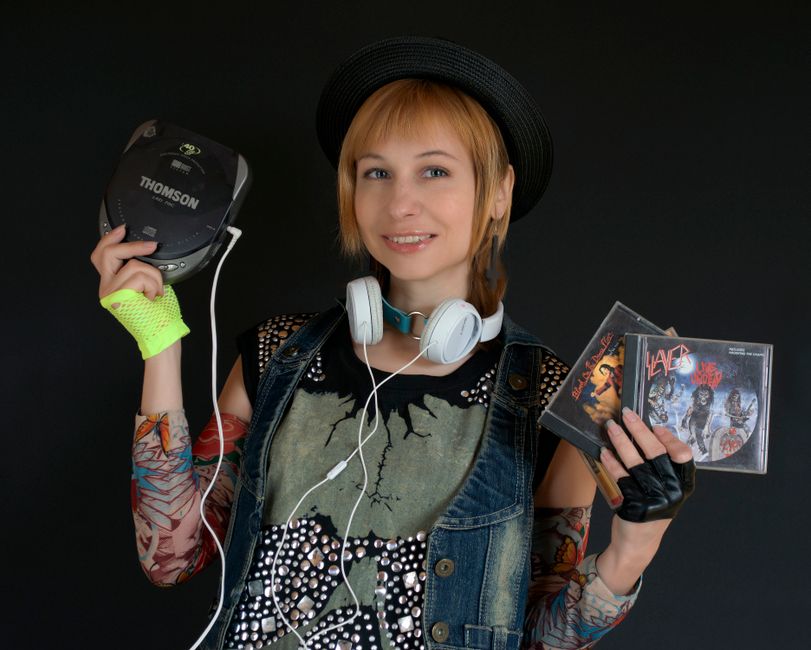
You think you know 90s grunge accessories: the worn-in Doc Martens, the slouchy beanie, the ever-present flannel tied around the waist. But what if the most radical thing about these items wasn't their angst, but their androgyny? This wasn't just about looking disheveled; it was about dismantling the very idea of 'his' and 'hers' fashion, one combat boot at a time. While the iconic musicians of the era—from Kurt Cobain in his thrift-store cardigans to Layne Staley in his oversized sunglasses—became reluctant style icons, the true revolution was happening at the granular level of accessories. These were not statements of glamour or rebellion in the vein of punk or glam rock. Instead, they were artifacts of practicality, comfort, and anti-consumerist sentiment that, by their very nature, existed outside the rigidly gendered fashion system of the time. This article delves into how this accidental androgyny laid the groundwork for the fluid expressions of identity we see today.
You have the perfect pair of jeans and a go-to t-shirt, but the final look still feels... incomplete. The secret to transforming that simple uniform from 'basic' to 'deliberately styled' isn't a new handbag or expensive shoes—it's the often-overlooked accessory sitting in your closet. We're breaking down how the right trending belt acts as a 5-second formula to make your entire outfit look more intentional and expensive. It’s not just about function; it’s about framing. Think of your jeans and top as a brilliant canvas. The belt is the custom gallery frame that makes it look like a masterpiece. Without it, you're just wearing clothes. With it, you're wearing an outfit.
We see the red carpet premieres and hear the chart-topping hits, but we're missing the real story of power in Hollywood. The savviest celebrity women know their greatest asset isn't a single performance, but the brand they build and legally protect for generations to come. While tabloids track fleeting romances and box office numbers, the real ledger of power is being written in the quiet offices of the U.S. Patent and Trademark Office. This isn't just about selling a t-shirt; it's about building a diversified corporate structure on the foundation of a single, powerful identity—an identity that they own outright.
When we think of a famous female celebrity, we picture them on a red carpet or a movie poster. But the real power is no longer just in the spotlight—it's in the corner office. A quiet revolution is happening as the world's most famous actresses are becoming the new studio heads, producers, and directors, taking control of the stories we see on screen. This isn't about vanity projects or perfume lines; it's a fundamental restructuring of Hollywood's creative and financial hierarchy. Fed up with one-dimensional roles and a system that treated them as decorative assets, these women have become the architects of their own content empires.
We've all heard the late-night talk show anecdotes of celebrities living in haunted mansions. But what happens when a ghostly encounter does more than just go bump in the night—what if it follows them into the recording studio or onto the film set? This is the story of the paranormal as the ultimate muse, revealing how chilling personal experiences shaped some of the most famous creative works we know and love. Forget simple campfire tales; we are peeling back the veil to examine how brushes with the other side become embedded in the very DNA of art. This is not about belief, but about influence—the spectral watermark left on a masterpiece, visible only to those who know how to look.
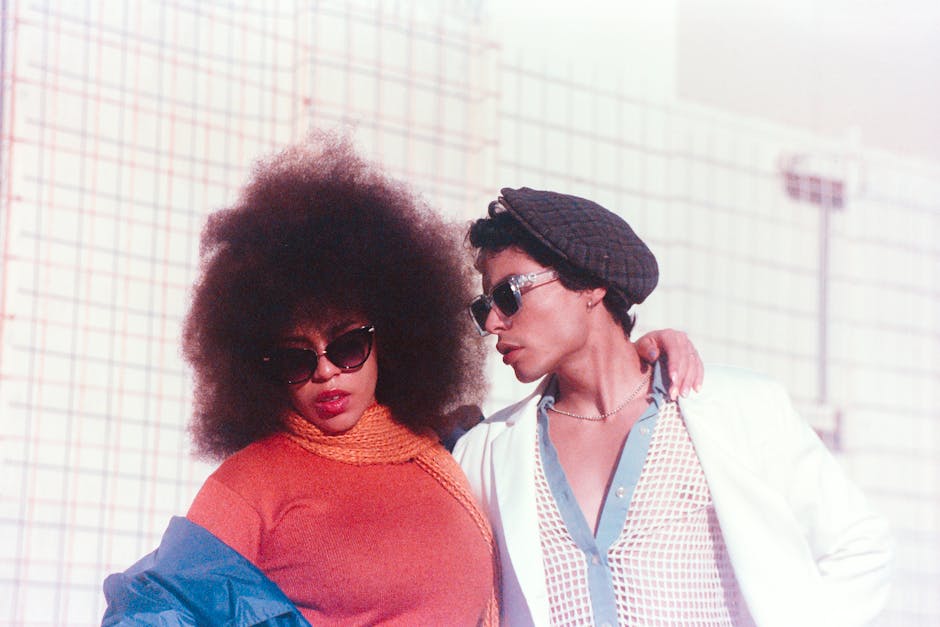
You've seen the photos: a silk scarf tied as a bohemian headband or knotted at the neck of a disco queen. But what if that simple piece of fabric was more than just a fashion statement? In the 1970s, the way you wore your scarf was a secret code, broadcasting your tribe and your beliefs to the world. This wasn't just about aesthetics; it was a socio-political broadcast worn around the neck, head, or wrist. In a decade fractured by the Vietnam War, civil rights movements, and economic uncertainty, personal style became a primary vehicle for self-identification. And the humble scarf, accessible and versatile, became its most potent and nuanced messenger.